
2 Weeks South India Travel Photography Tour – A Complete Guide for Overseas Photographers
Introduction: Experiencing South India Beyond the Tourist Lens
South India is often described as colorful, cultural, and diverse.
But for a photographer, it offers something far more valuable:
Layers of visual storytelling that go far beyond monuments.
From temple towns and coastal life to rural communities and rituals, this region allows you to create a complete body of work in just two weeks—if approached correctly.
This guide is designed for overseas photographers who want more than sightseeing:
👉 You want access
👉 You want meaningful images
👉 You want to understand what you’re photographing
Why South India is Ideal for a Photography Tour
Unlike North India’s intensity, South India offers:
1. Visual Diversity in a Compact Route
- Temples, markets, villages, coastlines
- Cultural depth without overwhelming chaos
2. Strong Cultural Identity
- Distinct traditions in each region
- Deep-rooted rituals and practices
3. Better Travel Flow
- More manageable logistics
- Ideal for a structured 2-week journey
What Makes a Photography Tour Different from Regular Travel
A typical trip focuses on:
- Covering locations
- Visiting landmarks
A photography-focused journey is different:
- You spend more time in fewer places
- You revisit locations at the right light
- You engage with people and context
👉 The goal is not to “see more”
👉 The goal is to create better work
2-Week South India Photography Itinerary (Optimized for Storytelling)
This itinerary balances culture, people, and landscape.
Day 1–2: Chennai – Gateway to South India
- Arrival and acclimatization
- Introduction to local culture
- Coastal life and urban street photography
- Flower Market
👉 Focus:
- Street life
- Fishing communities
- First cultural impressions
Day 3–4: Mahabalipuram – Heritage & Coastal Life
- Ancient rock temples
- Shoreline activity
👉 Focus:
- Architecture + human interaction
- Sunrise coastal scenes
Day 5–6: Pondicherry – Colonial & Everyday Life
- Street Photography - French-influenced streets
- Calm, structured environment
👉 Focus:
- Color, geometry, minimal compositions
- Street photography in a quieter setting
Day 7–8: Chidambaram & Rural Tamil Nadu
- Temple rituals
- Village life on the way
👉 Focus:
- Cultural documentation
- Rural storytelling
Day 9–10: Chettinad – Heritage Homes & Lifestyle
- Traditional mansions
- Unique local culture
👉 Focus:
- Architecture / Interiors / Heritage
- Portraits
- Textures and patterns
Day 11–12: Madurai – Rituals & Intensity
- One of India’s most active temple towns
👉 Focus:
- Temple rituals
- Market activities
- Human interactions
Day 13–14: Rameswaram – Coastal & Spiritual End
- Sacred town + ocean landscapes
👉 Focus:
- Pilgrimage stories
- Minimal, atmospheric compositions
What You Will Experience
This journey is not about ticking places.
You will experience:
- Rituals happening in real time
- Everyday life in villages
- Cultural nuances you don’t see as a tourist
And most importantly:
👉 You will learn to slow down and observe
Practical Travel Guide for Overseas Visitors
✔️ Do’s
- Travel light
- Respect local customs
- Stay flexible with time
- Build patience into your schedule
❌ Don’ts
- Don’t rush between locations
- Don’t photograph without awareness
- Don’t expect everything to run on time
- Don’t treat people as subjects
Cultural Sensitivity Tips
- Dress modestly in temples and villages
- Ask before photographing people
- Observe before engaging
Health & Comfort
- Stay hydrated
- Eat at clean, recommended places
- Carry basic medicines
What Most First-Time Visitors Get Wrong
1. Trying to Cover Too Much
Less locations = better work
2. Ignoring Light
Morning and evening matter more than places
3. Not Understanding Context
Good images come from understanding—not just seeing
Photography Guide for South India
What Makes This Region Special for Photography
You get:
- Strong colors
- Cultural depth
- Clean compositions
- Human stories
📷 What to Focus On
1. People & Culture
- Temple rituals
- Daily life
- Portraits
2. Environment
- Streets
- Architecture
- Landscapes
3. Details
- Hands, textures, objects
- Small moments
🎯 Composition Strategy
- Keep frames simple
- Use natural light
- Include context
- Focus on storytelling
⚙️ Gear Recommendations
- 24–70mm (versatile)
- 35mm / 50mm (storytelling)
- Lightweight setup
💡 Light Strategy
- Morning → soft, clean
- Evening → warm, emotional
- Midday → avoid unless intentional
⚠️ Ground Reality
- You won’t control situations
- Moments will be unpredictable
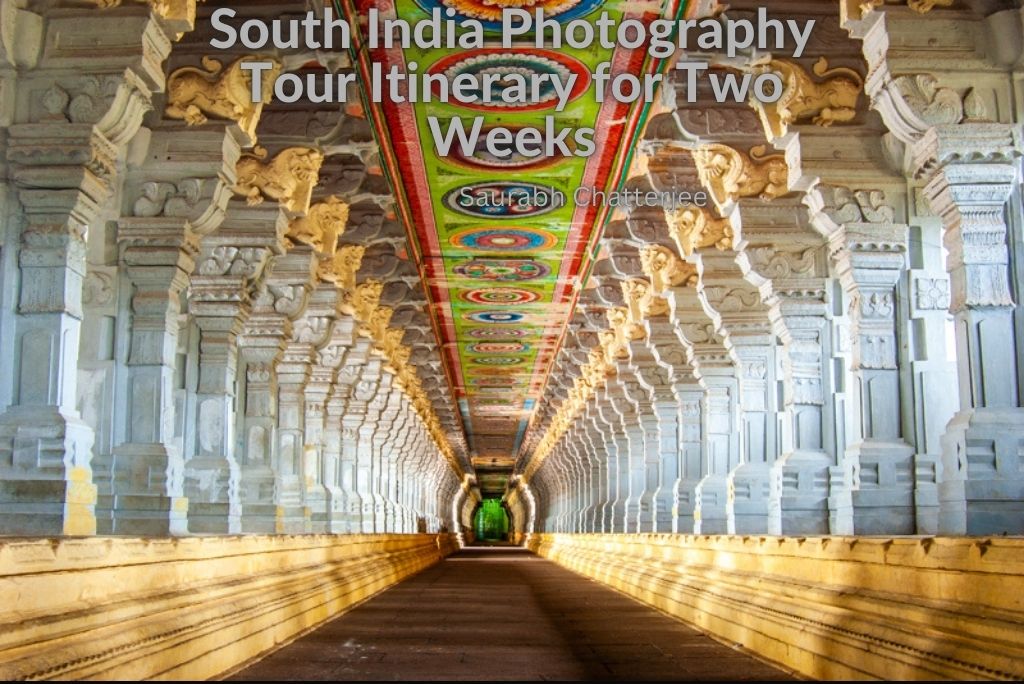
- Photography is not allowed inside many temples but the markets around the temples are great places to shoot.
So:
👉 Observe
👉 Anticipate
👉 Adapt
Ethical Photography
- Respect people and spaces
- Avoid intrusive behavior
- Build connection
Pro Tips
- Revisit locations
- Stay longer in fewer places
- Build rapport with locals
- Shoot less, think more
Common Mistakes
- Shooting too much
- Not engaging with subjects
- Ignoring storytelling
Why Guided Photography Experiences Make a Difference
Traveling alone in India can be rewarding—but also limiting.
With the right guidance, you can:
- Access locations you wouldn’t find yourself
- Understand cultural context
- Improve your storytelling approach
- Use your time effectively
Tips for photographers
Planning a Trip to South India?
If you are planning a photography journey to India, South India is one of the best places to begin.
Over the years, I’ve designed small-group, immersive photography tours focused on:
- Real cultural access
- Meaningful storytelling
- Slower, deeper travel
These are not typical tours.
They are curated experiences for photographers who want to create a strong body of work—not just travel images.
👉 If this is the kind of experience you’re looking for, you can explore upcoming South India photography tours or get in touch.
Thanksgiving
Thanks to all the photographers who joined for my Photography Tours.All rights reserved. No copying without permission of the author Saurabh Chatterjee