
Varanasi Ghat Photography Guide – A Complete Visual Storytelling & Visitor Guide
Introduction: Learning to See in Varanasi
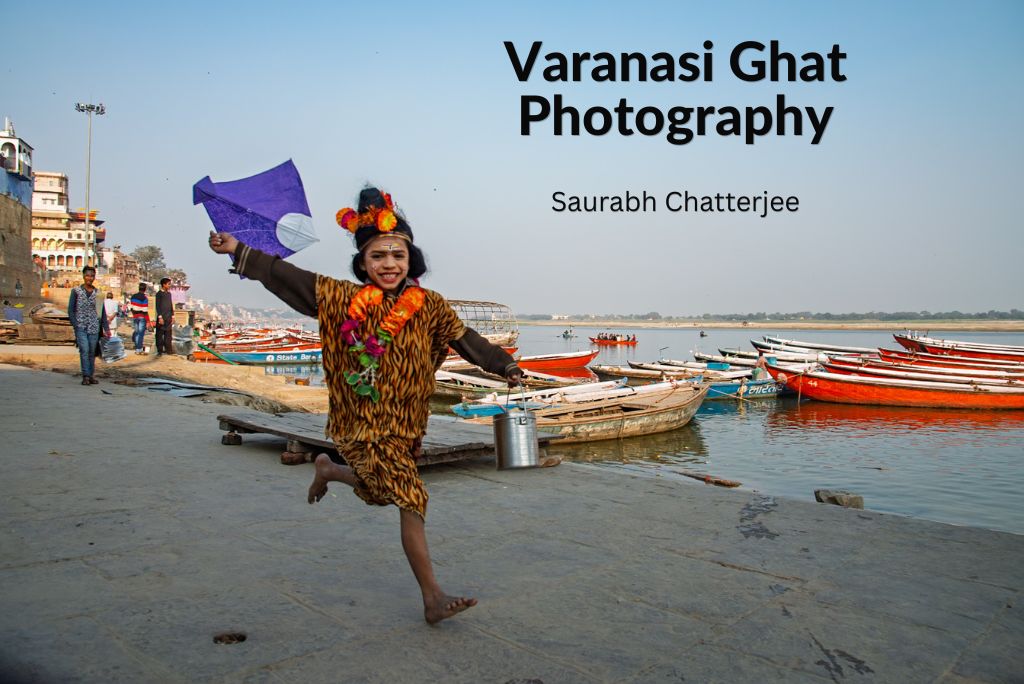
There are destinations you visit—and then there is Varanasi. If I look back at my collection of pictures from Varanasi, 50% of them have been shot in the Ghats of Varanasi.
Along the ghats of the Ganges River, life unfolds without filters:
- Rituals at sunrise
- Daily routines repeated for centuries
- Moments of devotion, grief, and stillness
- A constant interplay between chaos and silence
My Varanasi Pictures
See my pictures of Varanasi in better resolution here .
For photographers, Varanasi is not just visually rich—it is one of the most complex storytelling environments in the world.
If you approach it like a tourist, you’ll leave with images.
If you approach it with awareness, you’ll leave with stories.
Why Varanasi Ghats Are a Masterclass in Photography
1. Continuous Narrative
There is no beginning or end—just an ongoing flow of life.
2. Layers in Every Frame
Foreground, midground, background—all active at once.
3. Light That Changes Everything
- Misty mornings
- Harsh midday contrasts
- Fire-lit evenings
4. Emotional Range
Few places allow you to photograph:
- Devotion
- Celebration
- Grief
- Routine
—all within walking distance.
Best Time to Visit Varanasi
📅 Ideal Months
- October to March → Best weather
- Avoid peak summer (extreme heat)
- Avoid rainy season (water reaches dangerous levels and not many people around during that time)
Best Time of Day (Critical for Photography)
🌅 Sunrise (Non-Negotiable)
- Soft golden light
- Ritual bathing
- Calm, authentic atmosphere
👉 This is when Varanasi reveals itself.
🌇 Evening (Ganga Aarti)
- Fire rituals
- Strong visual drama
- Very crowded
🌙 Night
- Quiet, introspective
- Minimal but meaningful moments
Key Ghats to Explore
📍 Dashashwamedh Ghat
- Main activity hub
- Rituals and gatherings
📍 Assi Ghat
- Slower pace
- Local life and morning routines
📍 Manikarnika Ghat
- Cremation rituals (extremely sensitive)
📍 Panchganga Ghat
- Layered compositions
- Fewer tourists
What You Will Experience
The ghats are not a single subject—they are a living ecosystem.
You’ll see:
- Pilgrims bathing in the river
- Priests performing rituals
- Locals going about daily life
- Boats gliding silently
- Smoke rising from cremation ghats
Nothing is staged.
Everything is real.
Practical Visitor Guide (Very Important)
✔️ Do’s
- Wake up early (essential)
- Walk slowly along the ghats
- Take a sunrise boat ride
- Spend time observing before shooting
❌ Don’ts
- Don’t photograph cremation rituals insensitively
- Don’t intrude into personal space
- Don’t rush through locations
- Don’t treat people as “subjects”
🧭 Movement Strategy
- Let the Dasashwamedh ghat be your focal point. If you face the river, on your right is the Harishchandra Ghat and Assi Ghat. On your left is the Manikarnika Ghat.
- Start early and go to each of the directions each day.
- As the Ghats are east facing, morning is the best time to shoot in the ghats.
- Boat for a wider perspective. A boat will give you a different perspective of people taking bath. A telephoto lens is a must to get some intimate shots. Or course, your 24-70 will help you getting the wide shots of the ghats.
- Pro Tip - Take a private manual boat. It moves slow and gives you enough time for photography.
🎒 What to Carry
- Minimal gear
- Comfortable footwear
- Water
- Light backpack
⚠️ Ground Reality
- Crowded and chaotic (during the festivals)
- Narrow pathways
- Constant activity
- Lack of washrooms
👉 Patience is essential.
What Most Visitors Get Wrong
1. Trying to Cover Too Much
Stay longer in fewer places where you feel you might get good shots. Varanasi is not the place with a checklist of places to be covered.
2. Ignoring Ethics
Not every moment should be photographed. Its okay to take pictures of people taking back, but you must do it in a sensitive way, hope you understand what I mean.
3. Not Revisiting Locations
The same place looks different at different times. Though the ghats will still be the same, you will see different set of people every time you go. That makes all the difference.
Photography Guide for Varanasi Ghats
This is where your work can truly stand out.
Why Varanasi is a Photographer’s Masterclass
You get:
- Complex layering
- Human emotion
- Natural storytelling
But it requires:
👉 Patience
👉 Sensitivity
👉 Awareness
📷 What to Focus On
1. Daily Life
- Bathing rituals
- Conversations
- Quiet moments
2. Human Expressions
- Faces and gestures
- Interactions
3. Layers & Depth
- Boats + people + architecture
- Multi-level compositions
4. Details
- Hands in prayer
- Objects and textures
- Reflections
🎯 Composition Strategy
- Use steps as natural framing
- Shoot from different heights
- Include multiple layers
- Simplify your frame
⚙️ Gear Recommendations
- 35mm / 50mm (ideal storytelling lenses)
- 24–70mm (versatility)
- Minimal setup
- Flash? I personally dont use one while shooting in the ghats.
💡 Light Strategy
- Sunrise → Best, as the ghats are east facing.
- Midday → high contrast
- Evening → no dramatic play of light and shadows. Worth spending some time during the arati ritual. It gets very crowded though. Make sure you go early and secure a good spot.
⚠️ Ground Reality for Photographers
- You can’t control scenes
- Moments are fleeting
- Movement is constant
So:
👉 Observe first
👉 Anticipate
👉 Be ready
Ethical Photography (Critical in Varanasi)
This is non-negotiable.
- Respect rituals and grief
- Avoid photographing cremations without permission
- Don’t invade personal space
- Use empathy over curiosity
👉 The strongest images come from respect.
Pro Tips (From Experience)
- Spend multiple mornings on the ghats
- Take a boat for alternate perspectives
- Sit and observe for long periods
- Build comfort before shooting
Common Mistakes Photographers Make
- Shooting only wide scenes
- Ignoring human stories
- Moving too fast
- Being overly aggressive
The best images come from stillness and awareness.
Turning Varanasi Into a Meaningful Body of Work
Varanasi is not a one-day shoot.
It is a place where you can:
- Build a documentary project
- Explore themes of life and death
- Create a cohesive visual story
For Serious Photographers (Lead Magnet Section)
If you’re planning to photograph Varanasi, you’ll quickly realize:
- Timing matters
- Context matters
Final Thoughts
Varanasi is not easy.
It is:
- Intense
- Emotional
- Unpredictable
But if you slow down and approach it with respect, it offers something rare:
Images that are not just powerful—but deeply human.
Tips for photographers
Over the years, I’ve worked extensively across India, focusing on documentary storytelling and cultural photography.
The experiences I design are:
- 1:1s or Small group
- Context-driven
These are not typical tours.
They are immersive journeys designed to help you:
👉 See deeper
👉 Understand context
👉 Build meaningful photographic work
If this is what you’re looking for, you can explore upcoming Varanasi and village photography experiences or get in touch.
Thanksgiving
Thanks to all the participants of my previous Photography ToursAll rights reserved. No copying without permission of the author Saurabh Chatterjee